Choosing A Risha.
There’s not a 'best' risha.
Try many.
Quick note: I’m a musician, not a materials specialist, as will become clear, so please forgive my best efforts to describe these popular types of risha from my past experiences! And be aware that every risha is different from every other risha. Until it’s in your hand, you won’t know for sure.
Plastic.
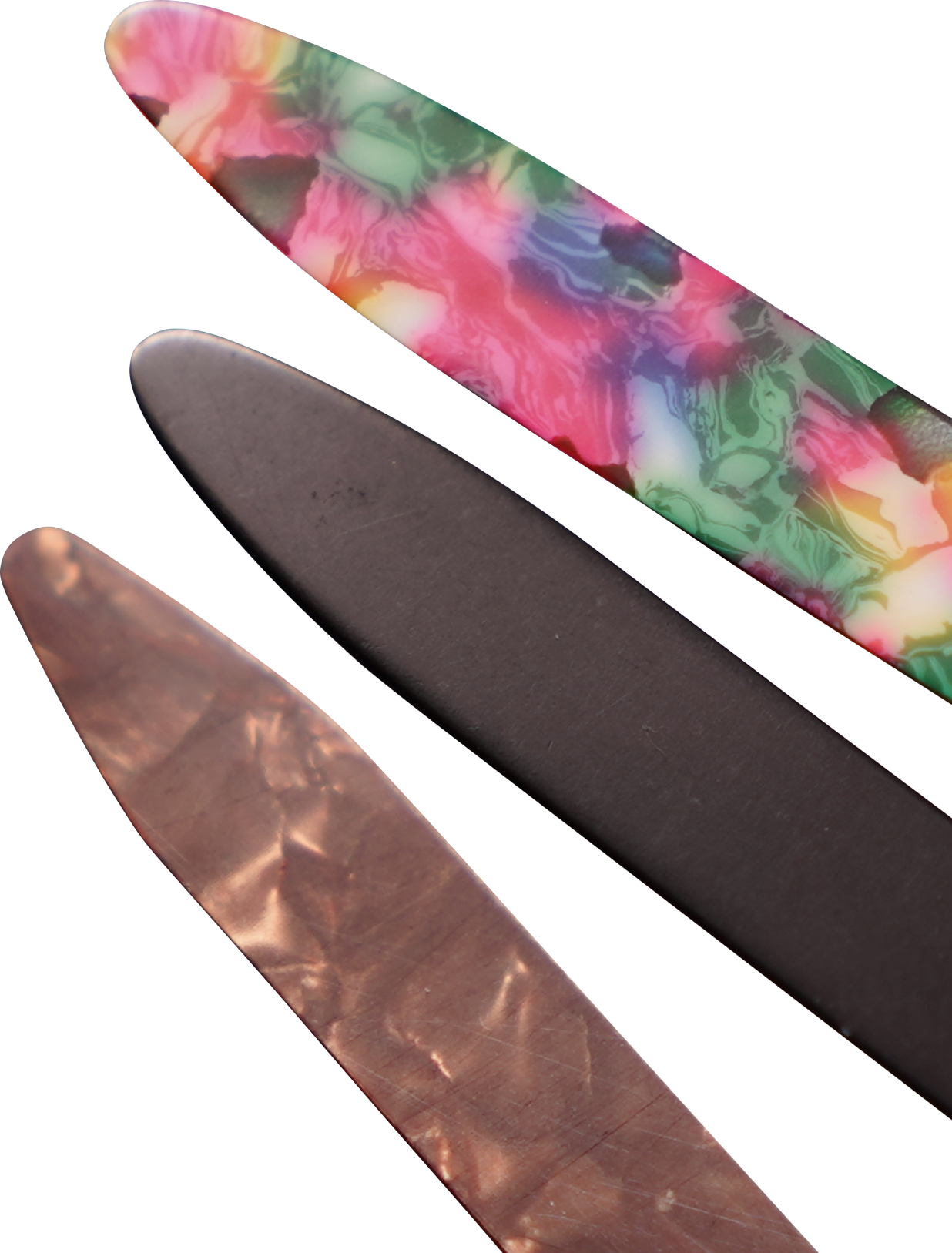
This type of plastic risha is often the easiest to find. They come in many different colours, made of different types of plastic.
I've found the thin ones sometimes sound scratchy on the strings. They usually provide a nice volume, with a ch...ch...ch...!!!
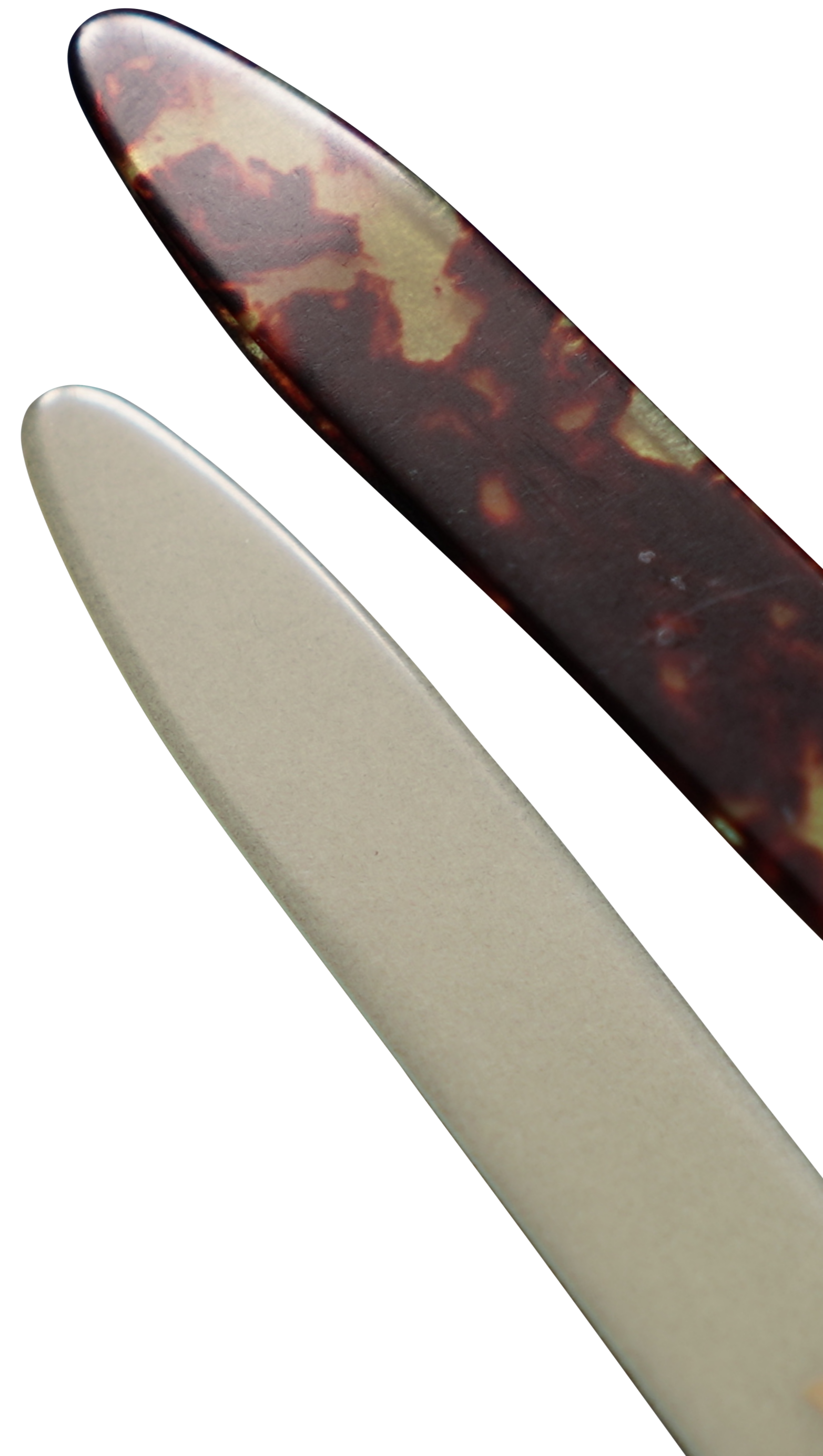
Then there are these ones.
They look exactly the same when you are buying them on the internet.
But in reality they are slightly harder, with more rounded edges. The type of plastic is also a little more rubbery.
On stumbling across these rishas, I have decided they sound quite nice. Good power and flexibility. Still some string noise, but not as noticeable as thinner, square-edged ones.
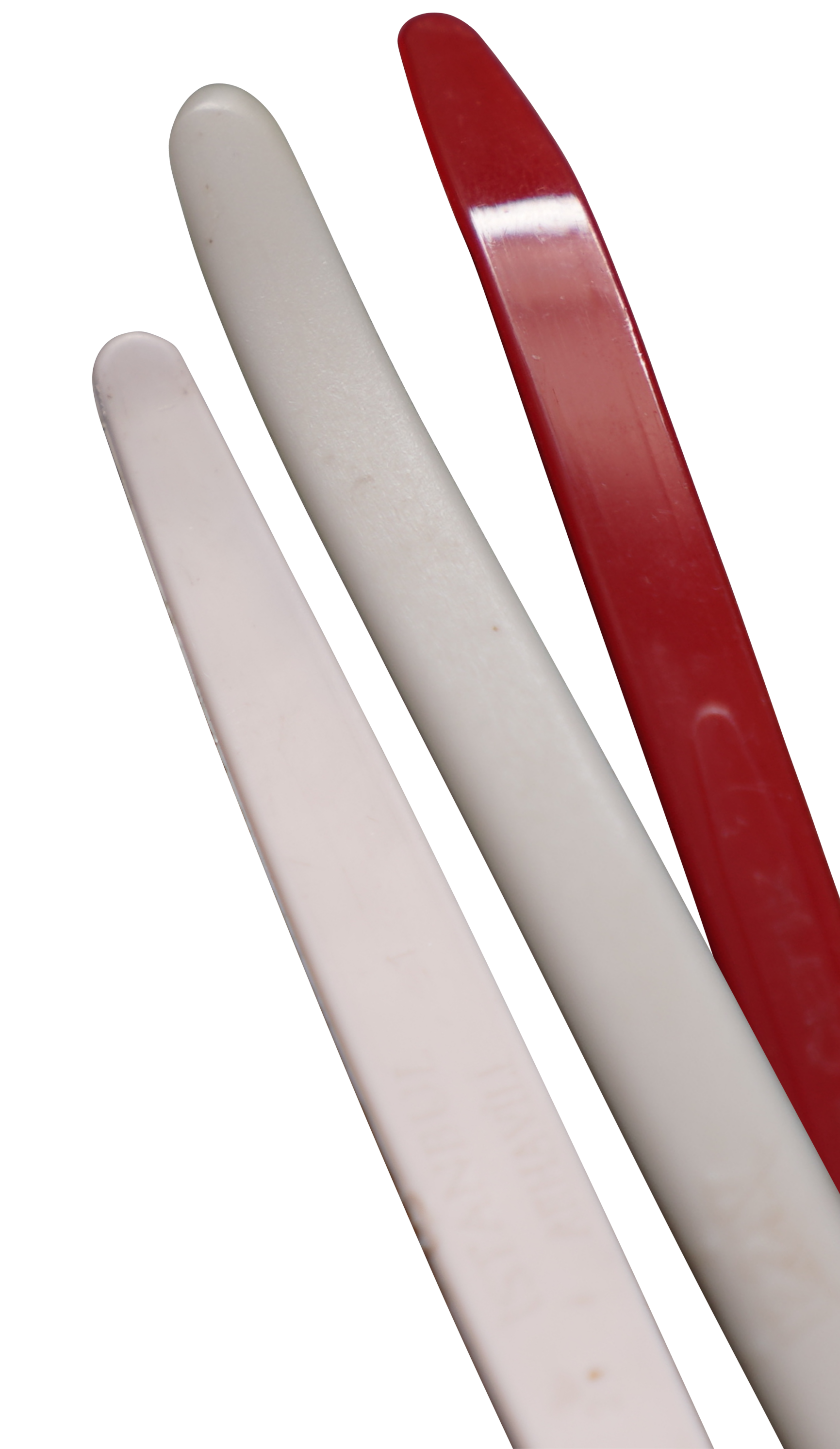
These are all still plastic. With very different sound qualities.
The red one (also available in blue) is a design by Turkish master Necati Çelik. It gives a 'thinner' precise tone, with good flexibility, less scratching, though is quieter than some others. It comes with a ‘pointy’ end (seen here), or a rounded end, so look out for both varieties.
The other two are more rubbery plastic; they have a fuller, rounded tone and good flexibility.
The stiffness of these types can vary enormously. And its never certain until its in your hands. I tend to prefer harder ones as they have more power and are easier for fast playing.
Silicon.
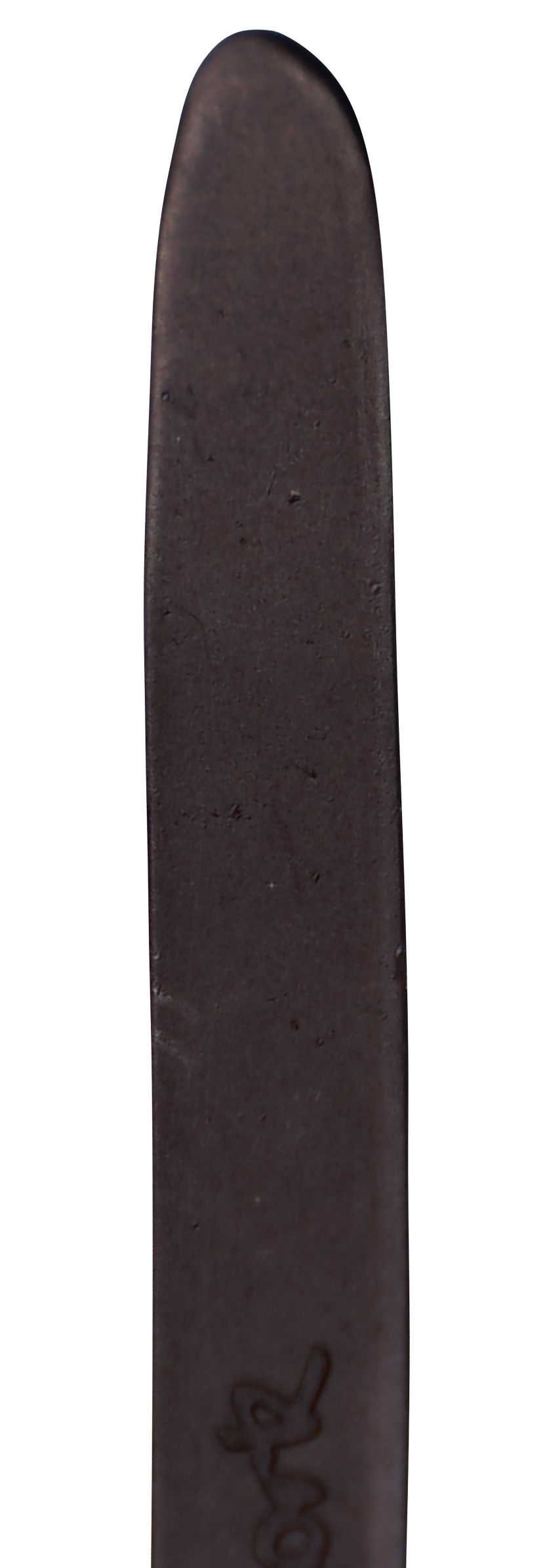
Introducing the silicon risha.
They have good flexibility and a nice warm tone, with precision. However, they can be noticeably quieter.
This is the perfect choice for a practice risha in a shared house or somewhere you want to keep the noise down.
Horn.
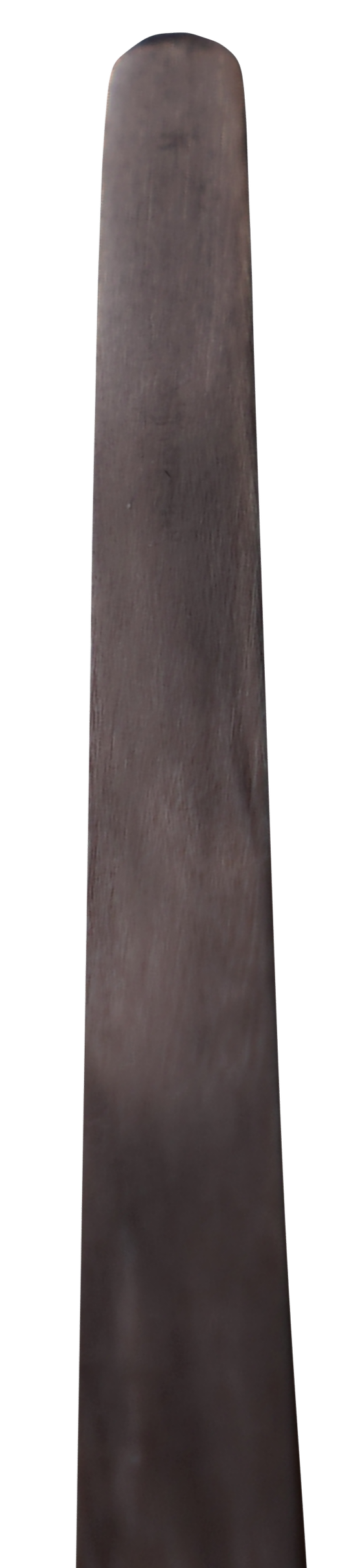
Lastly we have a horn risha.
These are expensive.
They have a hard, loud, bright tone.
The gain in power is a trade off for a loss in flexibility, with considerable string noise.
If a loud, strong sound is your one and only consideration - i.e. for live performance situations without amplification - this may be your choice.
I like the tone, but I find them a bit stiff and scratchy.
In Practice.
It's common for recording studios to have a bowl of different guitar picks sat on the side, and a key part of the process is choosing the right pick for the sound that works - for the song, in the mix, with the microphone etc.
The same is true for rishas.
I will use a different risha from oud to oud, project to project.
Generally I would say don't bother with an expensive horn one, unless you're curious.
And don't expect to get the best sound from the first risha you try.
I currently favour the Necati Çelik rishas, and I’ve noticed a lot of other professionals seem to as well.
People are often surprised what a difference the risha can make to the sound of an oud. If you don't like the sound of your oud, try another type of risha; it's your point of contact and shapes your tone a lot.
Any risha is better than none. But if you can, take the opportunity to try a few.
Risha Hold.
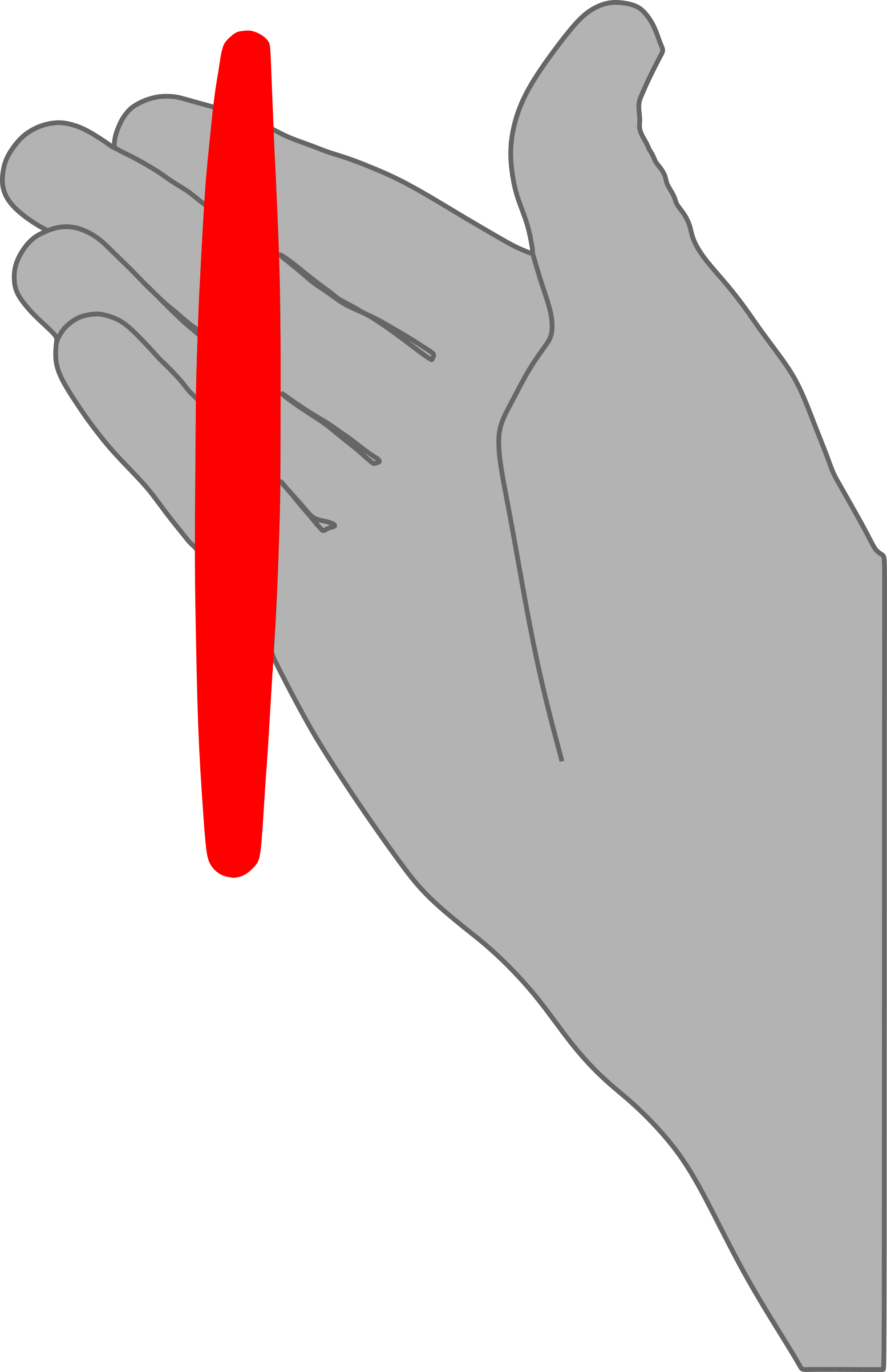
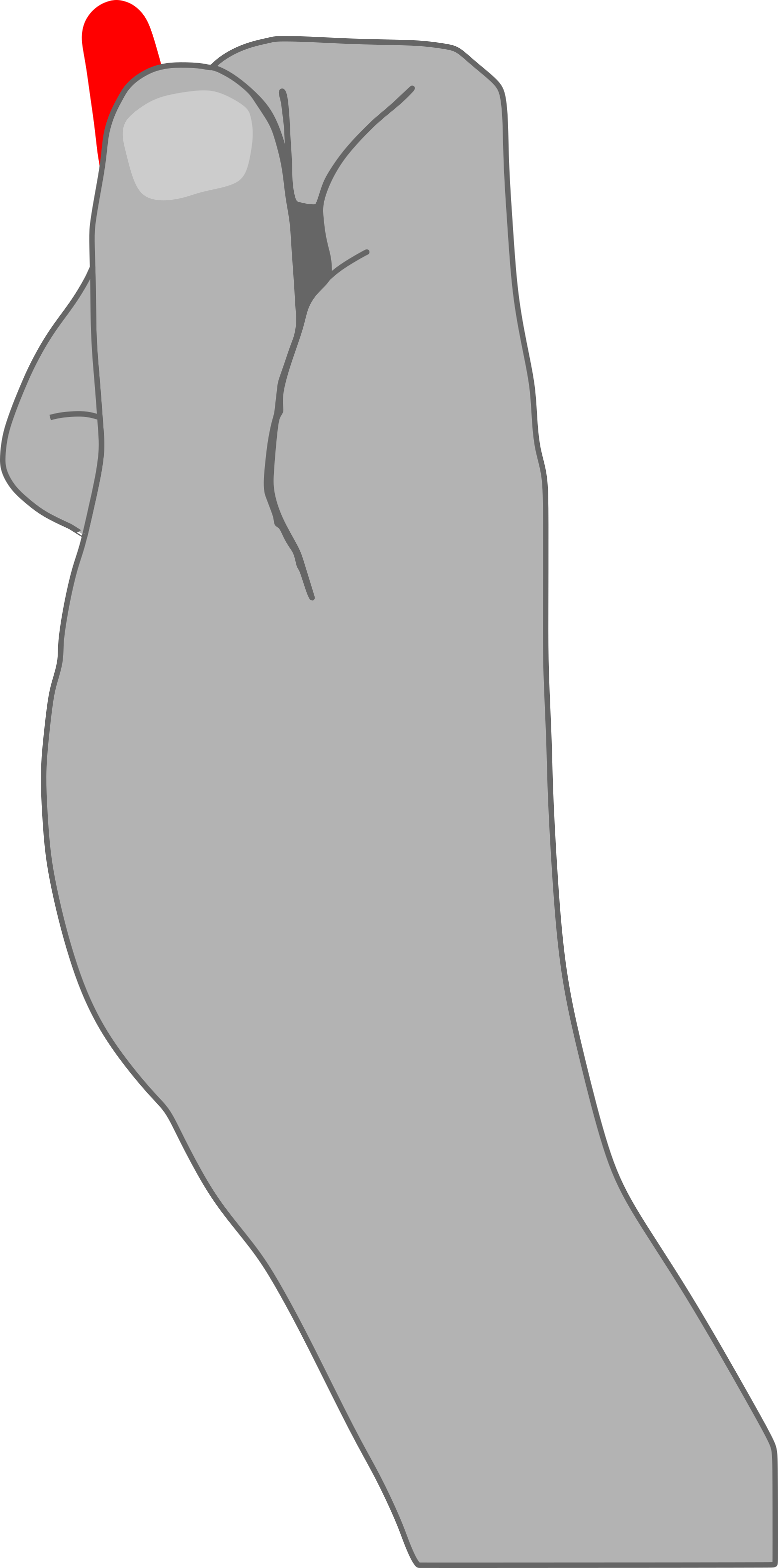
Start by laying the risha across your fingers, then close your hand around it to arrive at either 1 or 2, depending on your preference.